- Riteish Deshmukh takes a leap into Telugu cinema with Ram Pothineni’s RAPO23
- From Ananya Panday to Kashika Kapoor to Janhvi Kapoor - 5 OG Bollywood Beauties Who Will Give You the Perfect Garba Looks You Need This Navratri
- From Reena Malhotra to Kamalpreet Dhanoa: 25 Years of Dia Mirza and Her Evolution as an Actor
- Who is Pragati Srivastava? The Fresh Face Set for a Promising Bollywood Debut with Aanand L Rai’s Nakhrewaalii
- Mia by Tanishq Launches "Lightscapes": A Jewellery Collection Inspired by the Magic of Festive Lights

Architect Diana Kellogg Visits Banjara Children in Jodhpur
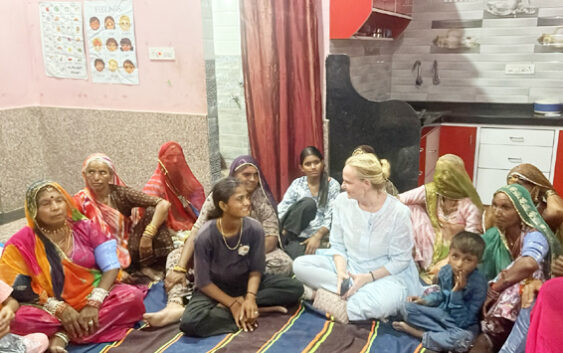
Jodhpur: Renowned American architect and social-impact designer Diana Kellogg visited the KnowPro Foundation in Jodhpur and spent time with children from the Banjara community, interacting with them and learning about their lives, aspirations and educational journeys.
Kellogg, whose work lies at the intersection of architecture, culture and social impact, engaged with the children and heard about their experiences of coming to school, their ambitions and the challenges faced by children from communities with limited access to formal education.
More than 50 children from the Banjara community are currently being supported through KnowPro Foundation’s education initiatives, with the organisation working to ensure that children who have historically remained outside the formal education system are enrolled in and continue their schooling. The programme focuses on creating pathways for children to access education, develop foundational skills and build greater opportunities for their future.
During her interaction, Kellogg spoke with the children about the importance of education and encouraged them to continue pursuing their aspirations. She also took an interest in their learning environment and the ways in which education is helping them look beyond the limitations traditionally associated with their circumstances.
Kellogg appreciated the KnowPro Foundation’s efforts to bring children from the historically nomadic Banjara community into the fold of formal education and create sustained opportunities for them. She noted the importance of initiatives that enable children to remain in school and develop the confidence and skills needed to shape their own futures.
The interaction provided an opportunity for the children to share their stories directly with an international practitioner whose work has consistently explored how design and social impact can contribute to more inclusive communities.